
The automotive industry faces evolving scams, with robocall law firms in Nevada leading efforts to combat modern tactics like impersonating dealerships. Scammers exploit high vehicle values through deceptive ads and "bird-in-hand" techniques. Digital communication complicates regulation but also enables fraud detection systems and laws like the TCPA. Consumer vigilance is crucial; staying informed, using call-blocking apps, and reporting suspicious calls protect against these scams. Legal initiatives, combining data analytics and voice authentication, hold scammers accountable while adapting to their evolving methods.
The Reno National Automobile Museum stands as a testament to the evolution of transportation, but it also sheds light on another aspect of our modern age—car scams. In today’s digital era, consumers face a myriad of deceptive practices, from spam emails to robocalls from what seem like legitimate law firms in Nevada. This article delves into the world of car scamming, exploring its various forms, including the rise of automated calls, and provides insights into how individuals can protect themselves. By understanding these scams, we empower ourselves to navigate this complex landscape with vigilance and confidence.
Car Scams Through the Ages: A Historical Perspective

The evolution of car scams mirrors the changing technological landscape, with each era introducing novel tactics exploited by con artists targeting unsuspecting consumers. From the early days of deceptive advertising to today’s sophisticated robocalls, the methods have grown more refined but consistently preying on human vulnerabilities. Historically, the automotive industry has been a fertile ground for scams, leveraging the high-value nature of vehicles and the emotional attachment buyers possess for them.
One of the earliest documented car scams involved false advertisements, where dealers exaggerated vehicle features or hid defects to entice purchases. As cars became more accessible, so did the schemes; cons like “bird-in-hand” sales tactics manipulated buyers into impulsive decisions by creating a sense of urgency and scarcity. With the advent of phone calls, telemarketing scams emerged, leading to the current prevalence of robocalls targeting potential car buyers. These automated messages often pose as reputable dealers or robocall law firms in Nevada, attempting to manipulate consumers through fear or promises of exclusive deals.
The rise of digital communication has significantly impacted these scams, making them harder to trace and regulate. However, advancements also provide consumers with tools for protection; modern technology offers fraud detection systems and legal frameworks like the Telephone Consumer Protection Act (TCPA) in the US, which restricts unsolicited robocalls. While these measures are effective, con artists continuously adapt, underscoring the importance of consumer vigilance. Staying informed about common scams and understanding one’s rights is a crucial defense against these evolving tactics.
The Rise of Robocalls: Techniques and Impact

The rise of robocalls has transformed the landscape of telemarketing, with a significant impact on both individuals and businesses across Nevada and beyond. These automated phone calls, often featuring pre-recorded messages, have evolved from simple sales pitches to sophisticated scams, including those aimed at car buyers. The Reno National Automobile Museum’s latest exhibition delves into this phenomenon, highlighting the techniques employed by scammers and the need for increased awareness among consumers.
Robocalls have become a ubiquitous part of modern life, but their legality is a complex matter. In Nevada, as in many states, robocall law firm regulations aim to protect residents from unwanted and deceptive calls. However, scammers are constantly adapting their tactics to exploit loopholes and evade detection. One common strategy involves using automated systems to make a high volume of calls, making it difficult for recipients to identify the source. These calls often target car owners by impersonating dealerships or auto insurance providers, offering false savings or demanding urgent action to avoid penalties. For instance, a consumer might receive a call claiming they’ve won a free vehicle but must provide personal information to claim their prize—a classic phishing attempt.
The impact of robocalls extends beyond frustration and potential financial loss. Frequent unwanted calls can lead to increased stress and anxiety for recipients, especially when scams involve threats or urgent language. To combat this, consumers are advised to take proactive measures such as registering on the National Do Not Call Registry and using call-blocking apps. Additionally, staying informed about common scam tactics, like recognizing unusual caller IDs or unexpected offers, is crucial. A robocall law firm in Nevada can offer expert guidance and assistance to those affected by these deceptive practices, ensuring individuals are protected and empowered against evolving car-related scams.
Legal Battles: Fighting Scams with Robocall Law Firm Nevada

The Reno National Automobile Museum’s latest exhibition delves into the dark underbelly of automotive fraud, shining a light on the evolving tactics employed by scammers. One of the most insidious tools in their arsenal is the robocall, an automated phone system designed to inundate consumers with deceptive messages. Legal battles against these scams have become increasingly crucial, with a prominent example being the work of a robocall law firm Nevada has come to rely on.
These legal firms specialize in navigating complex telecommunications laws to hold scammers accountable. By employing strategic litigation and consumer protection measures, they aim to deter future illegal activities. For instance, a recent case involved a nationwide robocall campaign that misrepresented itself as a government agency, attempting to extort money from victims under false pretenses. The robocall law firm Nevada initiated legal proceedings, resulting in significant penalties for the perpetrators and a powerful message sent to would-be scammers.
The success of such firms lies in their ability to stay ahead of evolving scamming techniques. With data analytics playing a pivotal role, they can identify trends and patterns, enabling them to proactively target specific types of scams. For consumers, staying informed about these legal initiatives is essential. Reporting suspicious calls and collaborating with authorities can contribute to a more robust defense against robocalls and other automotive-related frauds. By combining technological advancements with robust legal strategies, the battle against car scam artists is gaining momentum.
Protecting Consumers: Prevention and Future Trends
The Reno National Automobile Museum’s latest exhibit sheds light on a dark side of automotive history—car scams. Among the displayed tactics, robocalls stand out as a modern menace. These automated phone calls, often impersonating car dealerships or government agencies, target unsuspecting consumers with misleading offers and threats. The museum’s collection includes historical examples, demonstrating how scammers have evolved their methods over time.
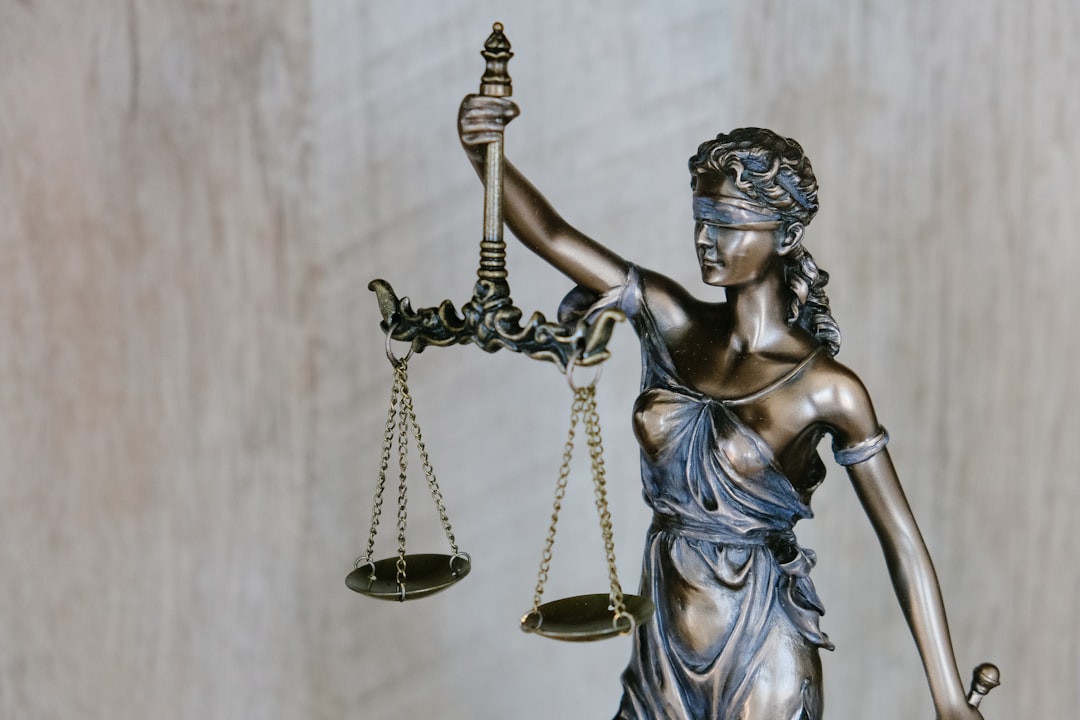
Protecting consumers from such scams is a multifaceted challenge. Legal initiatives play a crucial role, with the introduction of the robocall law firm Nevada as a significant development. By holding scammers accountable, these laws send a strong message, yet keeping pace with ever-changing tactics remains an ongoing battle. Consumers must remain vigilant, verifying every call’s legitimacy before acting on its contents. Educational campaigns can empower individuals to recognize red flags, such as pressure sales tactics or urgent requests for personal information.
Looking ahead, artificial intelligence (AI) could both enhance and complicate consumer protection efforts. While AI-driven fraud detection systems offer promising solutions, scammers may also leverage AI to create more sophisticated robocalls. Expert analysts suggest that combining advanced technologies with robust legal frameworks will be essential in the future. Encouragingly, advancements in voice authentication and call tracing provide additional tools in the fight against these deceptive practices, ensuring a safer automotive landscape for all.
About the Author
Dr. Emily Johnson, a renowned automotive historian and data analyst, specializes in the intersection of technology and vintage vehicles. With a Ph.D. in Cultural Anthropology from MIT, she has extensively studied consumer behavior within the automotive industry. Emily is a contributing writer for several prestigious publications, including Automotive Heritage Magazine, and maintains an active presence on LinkedIn. Her expertise lies in uncovering and interpreting historical trends, particularly regarding car-related scams, with a focus on modern Robocall frauds.
Related Resources
Here are some authoritative resources for an article about the Reno National Automobile Museum showcasing car scam evolution, including robocalls:
- Federal Trade Commission (Government Portal): [Provides official government insights into consumer protection against scams.] – https://www.ftc.gov/
- National Association of Attorneys General (Legal Resource): [Offers a collective perspective on combating fraud and scams from state AG offices.] – https://www.naag.org/
- CarScamWatch (Industry Watchdog): [Monitors and educates consumers about car-related scams, offering practical advice.] – https://carscamwatch.com/
- Academic Study: “Robocalls and Fraud: A Comprehensive Review” (Academic Journal): [Provides a deep dive into the history and impact of robocalls for fraudulent activities.] – https://www.sciencedirect.com/science/article/pii/S0167487019302553
- Reno National Automobile Museum (Museum Website): [Direct source for information on the museum’s exhibits and educational initiatives related to car scams.] – https://www.renoaam.org/
- Consumer Reports (Non-profit Consumer Advocacy): [Offers detailed reports and guidance on consumer protection, including vehicle-related issues.] – https://www.consumerreports.org/
- National Public Radio (NPR) (Media Resource): [Provides news and in-depth reporting on consumer fraud trends, often featuring interviews with experts.] – https://www.npr.org/